Love fish and seafood? Know the questions to ask - for your own health and the health of our planet
/
I grew up in a household where my mom taught and lived the importance of eating fish. Oh yes, I was very accustomed to staring at fish heads, eyes and tails from a whole fish meal served in a special sauce. At boarding school in the UK, the tasty cod fish and chips served for lunch every Wednesday became one of my favourite English meals.
Proudly I now can scale and clean fish in my home kitchen like a professional fishmonger. I cook a variety of seafood and shellfish dishes often using homemade recipes. When I dine out, I look for high quality seafood, and enjoy sushi restaurants and oyster bars serving fresh sashimi and raw shellfish. Some of my fondest travel memories are of the superior seafood restaurants I've been to in Alaska, California, British Columbia, Portugal and Mexico. We also love both the Mediterranean and Peruvian way of preparing seafood.
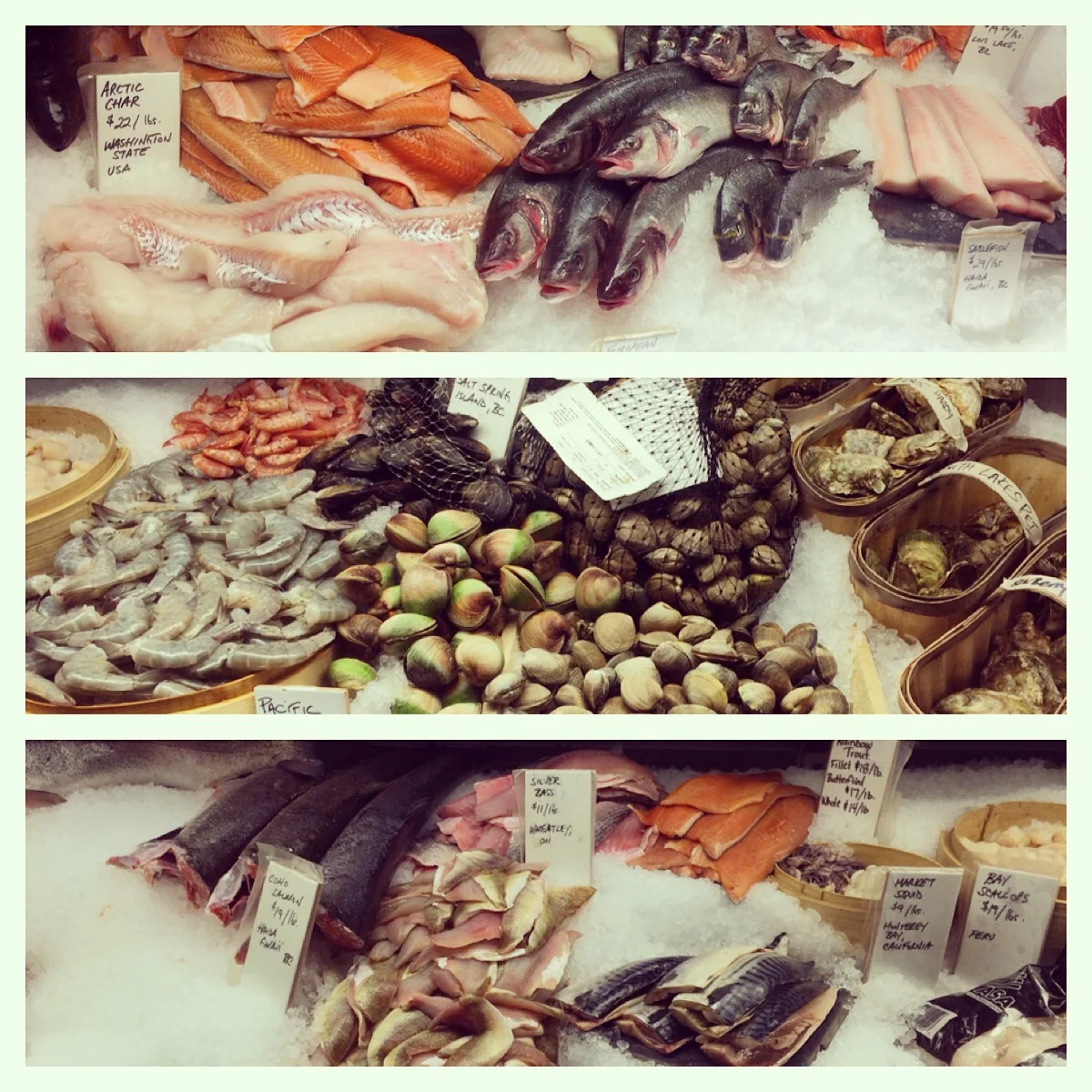
But where does that seafood come from?
Recently I started paying attention to the source of my seafood. I’d read various articles about sustainable fishing, wary that everyone has their own opinion on the subject. But facts have no bias. I wanted to know if what I was hearing was relevant and accurate. I therefore reached out to Kristin, the owner of Hooked, our local sustainable seafood store here in Toronto.
Kristin agreed. The subject is confusing. Many of her customers are not always well versed about sustainable seafood or simply unaware of the difference between her shops and the regular food markets they visit. But it’s necessary and vital to try and shop for sustainable fish and seafood. She feels that she and her staff have a responsibility to explain, for example, why they do not carry Atlantic salmon, and to provide alternative choices.
The consequence of not doing the right thing
Similar to the organic farming movement, there’s been an overwhelming obsession over every detail concerning the origin of our food and whether or not products bear the “right” certification. Some of us may find the word 'sustainability' overused.
Sustainability is about balancing social, environmental and economic priorities. In the fishing industry, this means two things: 1) understanding what techniques are being used to catch various types of seafood and 2) what conservation measures are being practiced (e.g., limits to the number of licenses, traps, length of fishing seasons, fishing days, total allowable catch quotas, size, and more.)
'Sustainability' questions to ask include: Are the fishermen practicing ethically? Are the retailers and the wholesalers buying their supplies directly from trusted, responsible, small-scale fisheries and Great Lake fishermen (instead of buying from commercial markets)? Are they using methods such as harpooning and hand-lining? Do they encourage consumers to buy the right type of seafood? For example, what are the alternatives to Atlantic salmon, which is now an endangered species in the US and Canada?
What we can do
It is important to understand how we can balance the three most frequently discussed factors: omega-3 fat content (the higher the better nutrition-wise), mercury levels (toxins we bring into our bodies) and ecological risks (the impact on the natural world). The following steps helped me, so I pass them on to you.
1. Mix up your fish varieties
Most of us like salmon, but its popularity is leading to a severe population decline. Try wild or farmed steelhead salmon, known as salmon trout, or wild Pacific Salmon from BC or Alaska. Or how about have Arctic char instead? It's similar and delicious.
As the owners of Greenpoint Fish & Lobster Co. in Brooklyn put it, “Variety is going to make everything better if you’re not just catching cod, cod, cod, salmon, salmon.”
2. Buy your seafood in season
Fish reproduce at certain times of year. By choosing seasonal varieties, you give the various species a chance to replenish, and you'll ensure you’re getting fresh fish.
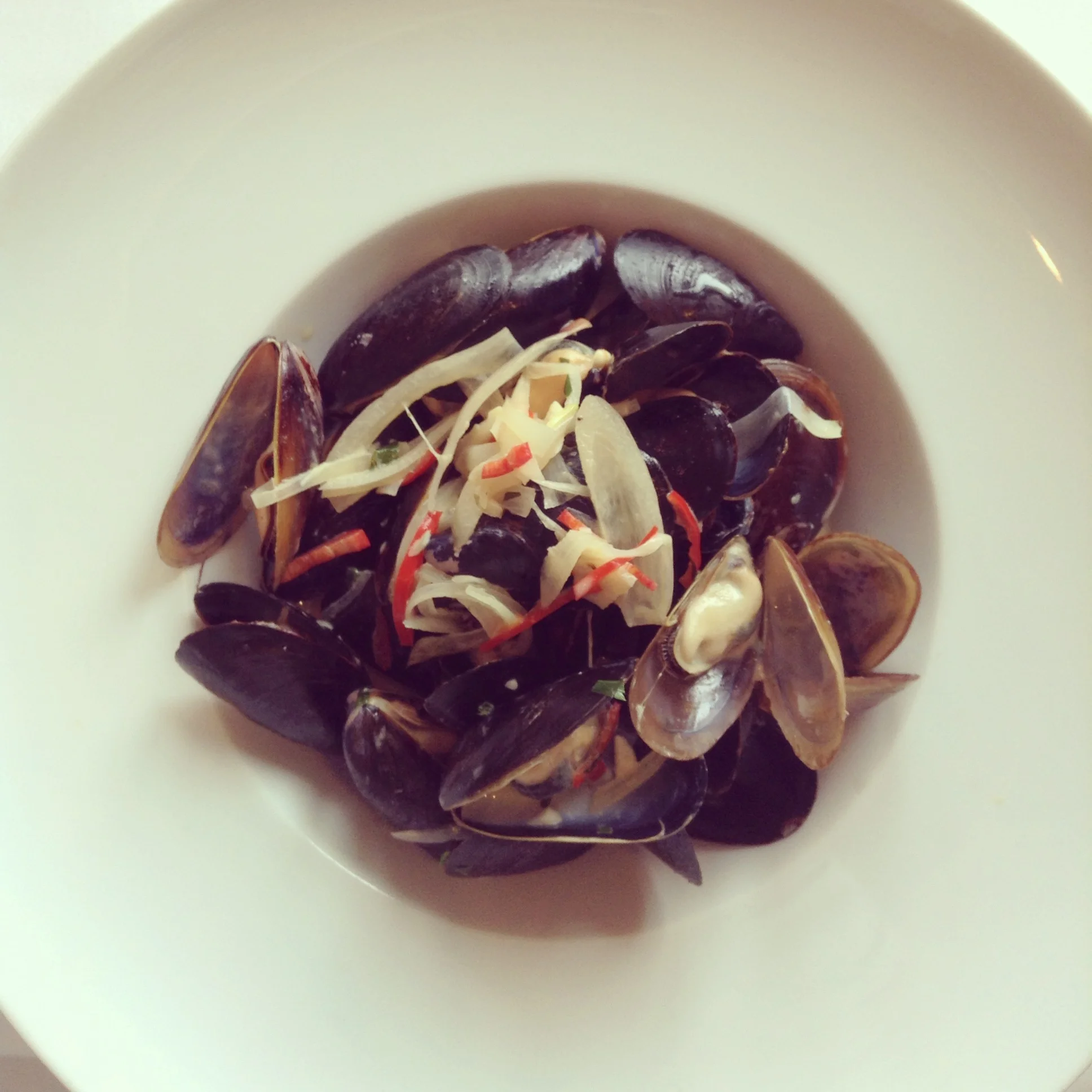
Mussels
3. Try to avoid large fish
Eating smaller fish reduces the burden on the overall food system in our waters. Consider eating more small fish and shellfish such as clams, mussels, squids and oysters (all contains high levels of Omega-3).
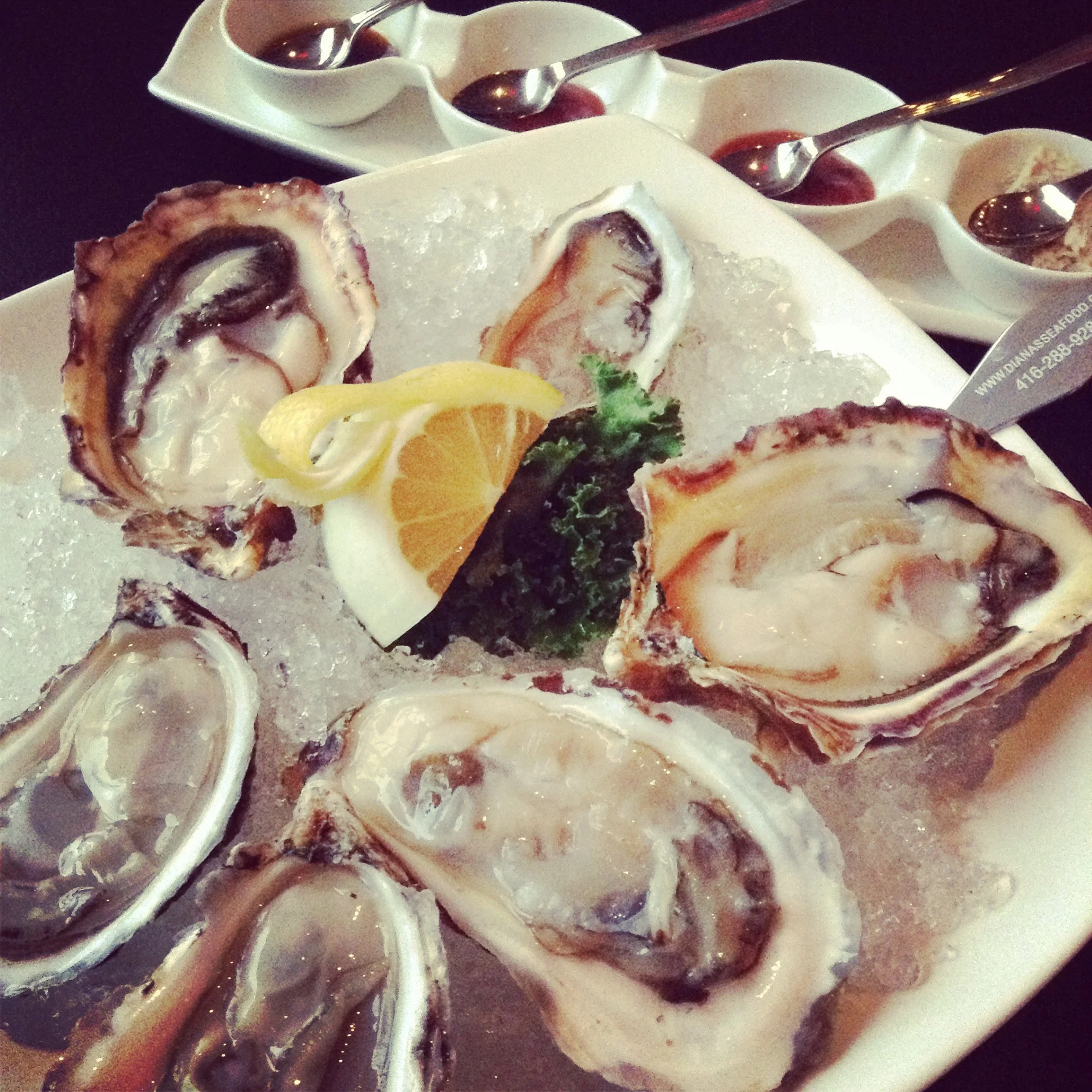
Oysters
4. Ask questions and be aware
Do you really want to support unethical sources, inequitable labour conditions or products that have been frozen and thawed several times over? The fishing industries of many parts of Southeast Asia and Japan are considered unethical. One should not be supporting the consumption of blue fin tuna even if you are the biggest sashimi fan.
5. Learn the truth
Making wise choices is difficult so try your best to learn the truth.
For instance, what about farmed seafood? Much of the salmon we eat in the United States and Canada (up to 90% in some areas) is farmed. But is all farmed salmon poisonous and toxic? It depends. Because of the higher fat content, farmed salmon can store higher Omega 3 fatty acids than wild salmon—this makes it a healthy choice. But farmed salmon can accumulate higher levels of toxins. The best choice is wild-caught salmon and Alaska salmon.
You’re always wise to inquire about safe, farmed seafood alternatives, e.g. farmed shellfish, catfish, tank-farmed freshwater Coho salmon, Ontario farmed Pacific white shrimps, farmed US rainbow trout, New England crayfish, etc.
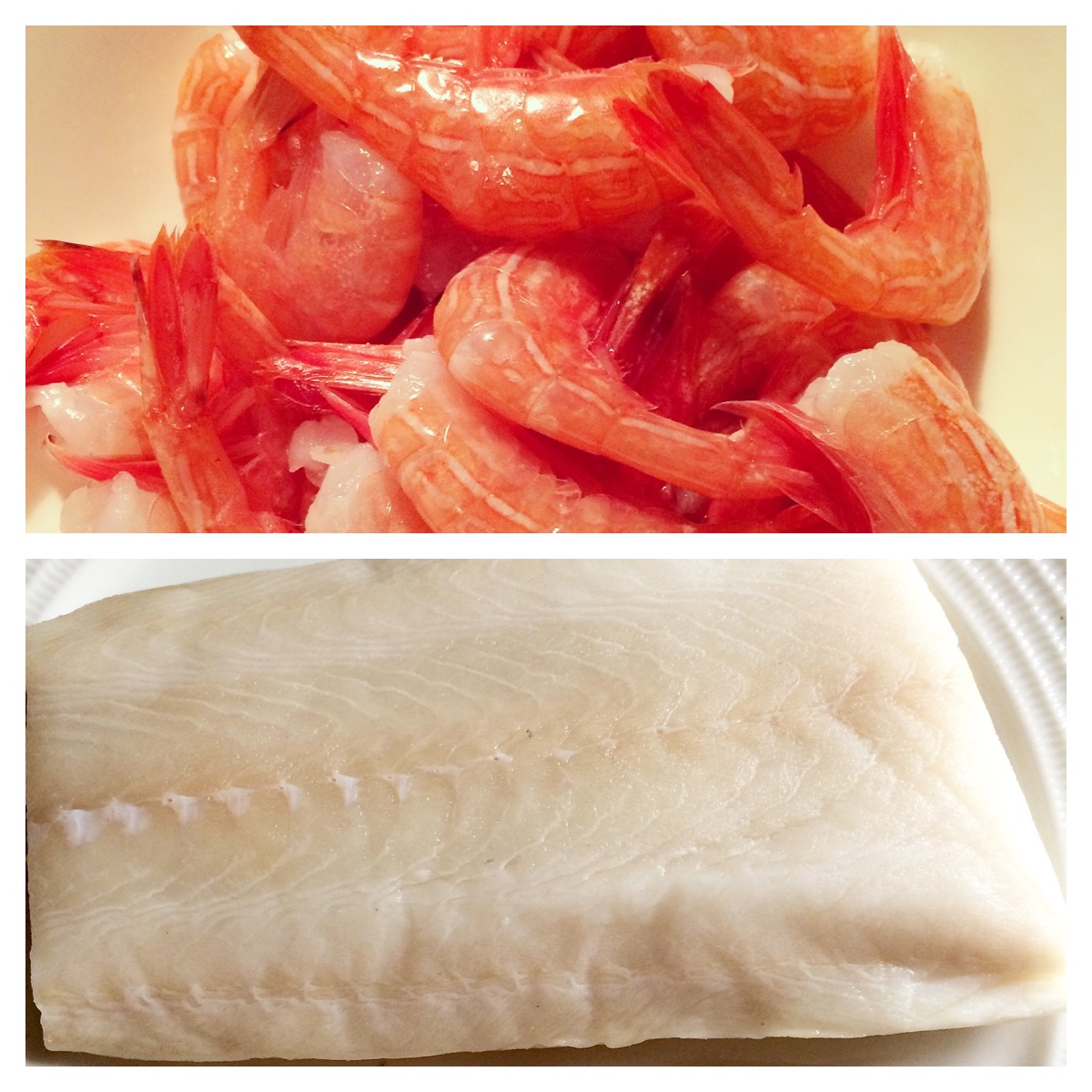
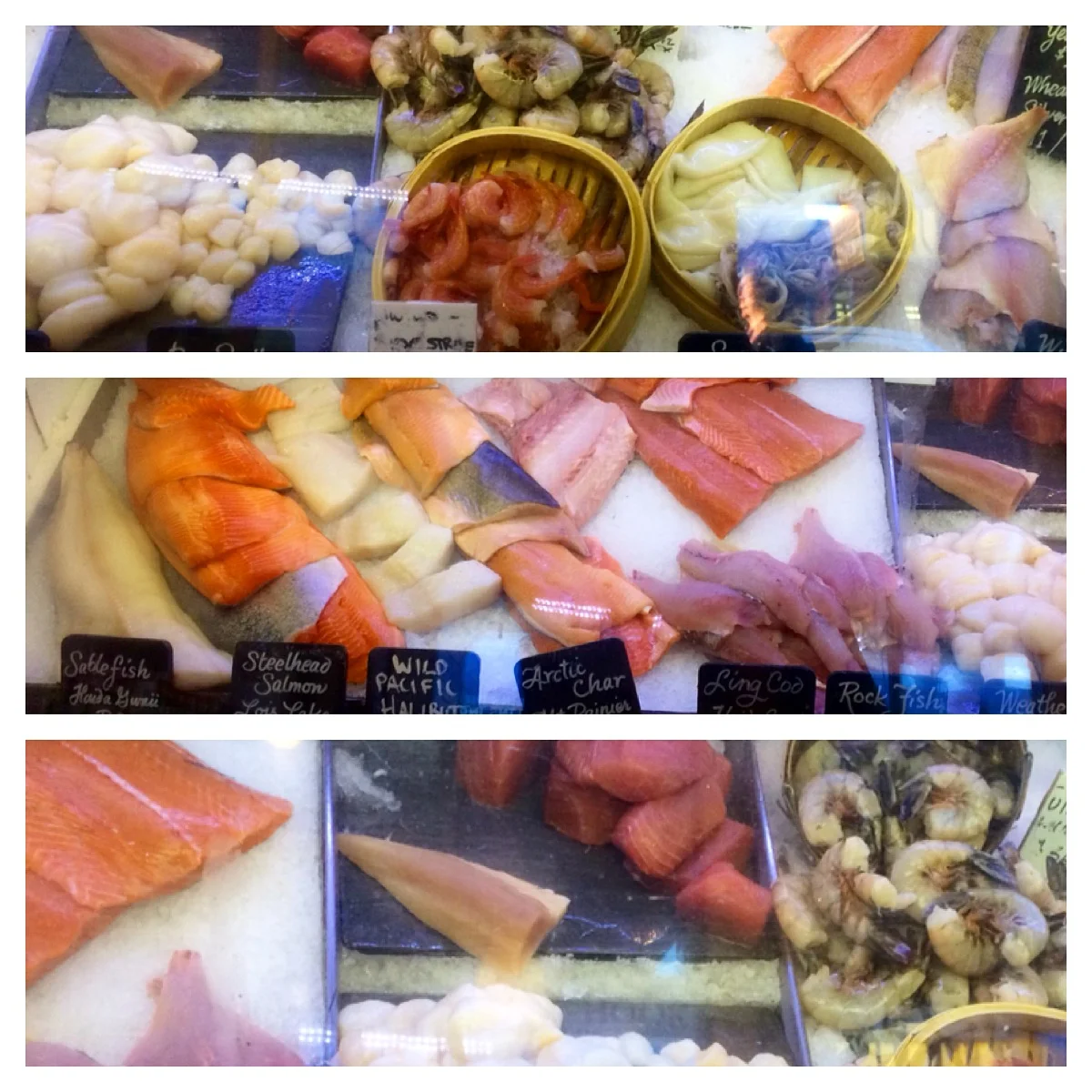
Sablefish and BC Side Stripe Shrimp
6. Making better choices
As seafood lovers and consumers, we can all do our part to make healthier choices as well as to protect and recover all species at risk. Usually this means selecting substitutes for the seafood we love. For example, I used to indulge in Chilean sea bass, but now I know to avoid it. Not only is it over-fished; it is also associated with higher levels of methyl mercury, a highly toxic substance. I respect the chefs and restaurateurs who set a great example when they started banning Chilean seabass from menus as far back as 2001. What's a good substitute for Chilean seabass? Try sablefish or black cod (best from Alaska) It has the same rich, buttery texture and is equally delicious.
Along with salmon, shrimp has become the top seafood product in North America. But farming shrimp from Southeast Asia and South America involves the use of antibiotics as well as chemical preservatives. We know that shrimp in Thailand and Burma is caught far too often using a trawler full of slave-labour fishermen.
There are many sustainable alternatives for shrimp: Washington or Oregon pink shrimp, white shrimp from South Carolina, Savannah (or Wild Georgia shrimp), spot prawns and side stripe shrimps from British Columbia and Alaska, coonstriped shrimp from Alaska and California, farmed Pacific shrimp from Ontario, farmed whiteleg prawns from the US (instead of Asia and South America).
There is some good news in all of this. Canada is a world leader in the sustainable management of fisheries. British Columbia, Nova Scotia, Prince Edward Island and other provinces are all promoting the best practices and consumer choices. A few examples of very well managed sustainable operations in the USA are Alaska, Oregon and Washington.
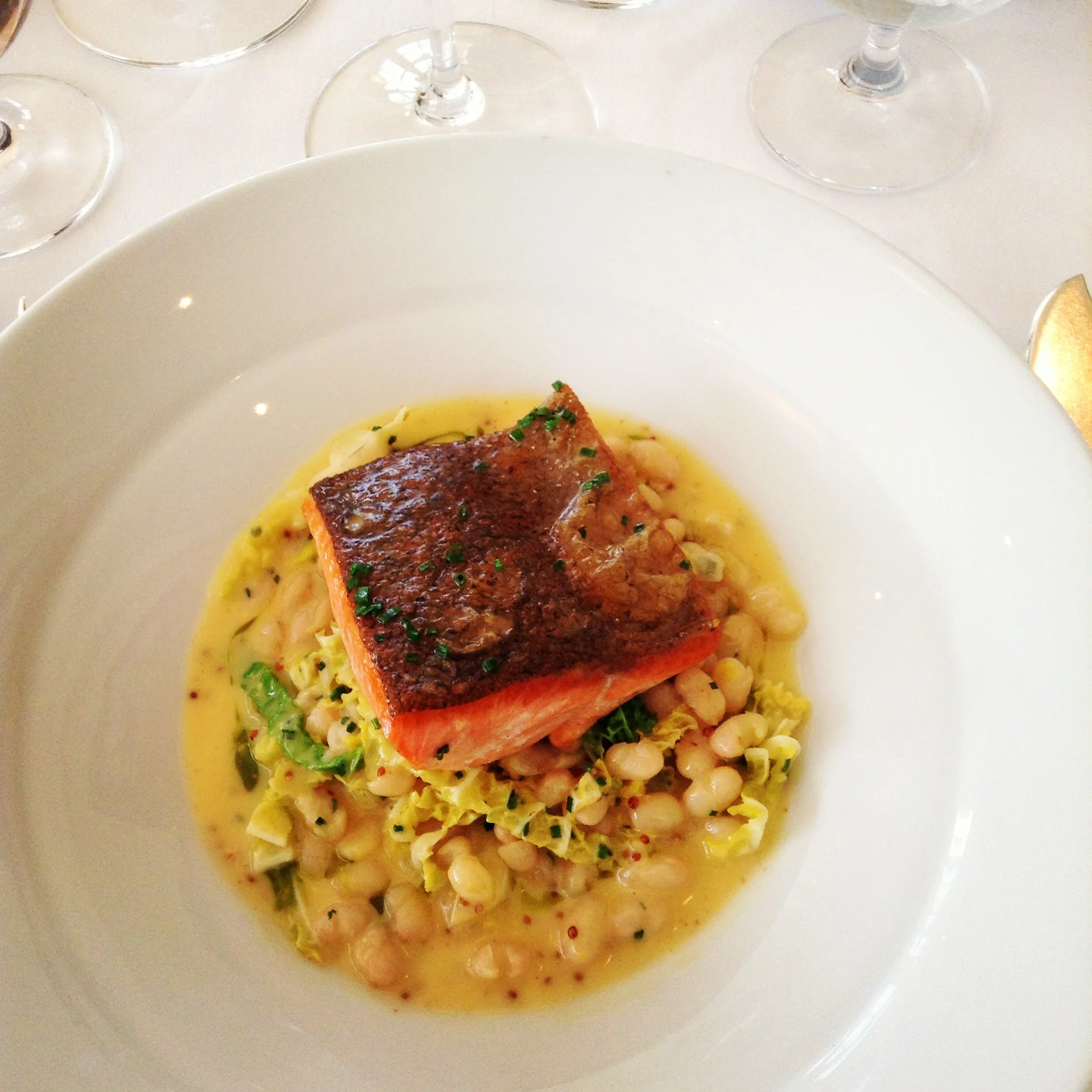
Steelhead Trout
The benefit of making a difference
As an owner of responsibly-sourced seafood shops, Kristin tells me that the quality of her work and personal life has improved significantly since she started operating her business 5 years ago. She credits this to the way she shops, cooks, sources her supplies and educates others. She works hard to run a business based on her own and her husband's values; they work to develop healthy business relationships with supply chains, buy direct, and supply wholesale to restaurants that need seafood 12 months a year. They also make sure that their sources are hand-line small fishermen and independent smaller operators.
It is disturbing to read articles, such as the one recently published in The Guardian about slavery and human trafficking in the shrimp industry in Southeast Asia; or how the Chinese are killing sharks for shark fin soup; or the over-consumption of bluefin tuna sashimi in Japan. But knowledge about these practices continues to impact our desire to protect seafood species. As a customer of Kristin’s, for example, I honestly feel a strong passion from her and her employees. Thanks to her, I experience the satisfaction of buying and eating right.

Wild Salmon
Some good examples of the types of seafood you can find in a trusted responsibly sourced fish shop:
Wild-caught salmon, steelhead, arctic char, Atlantic mackerel, wild sardines, herring (Atlantic, Pacific), ling cod, sablefish, seabream, bass, lake fish (white fish and perch). Shellfish: scallops, clams, pacific and side striped shrimps, spot prawns, mussels and oysters.
High mercury and low sustainability fishes to avoid: bluefin tuna, yellowtail flounder, swordfish, Spanish mackerel, black promfret, Chilean seabass.
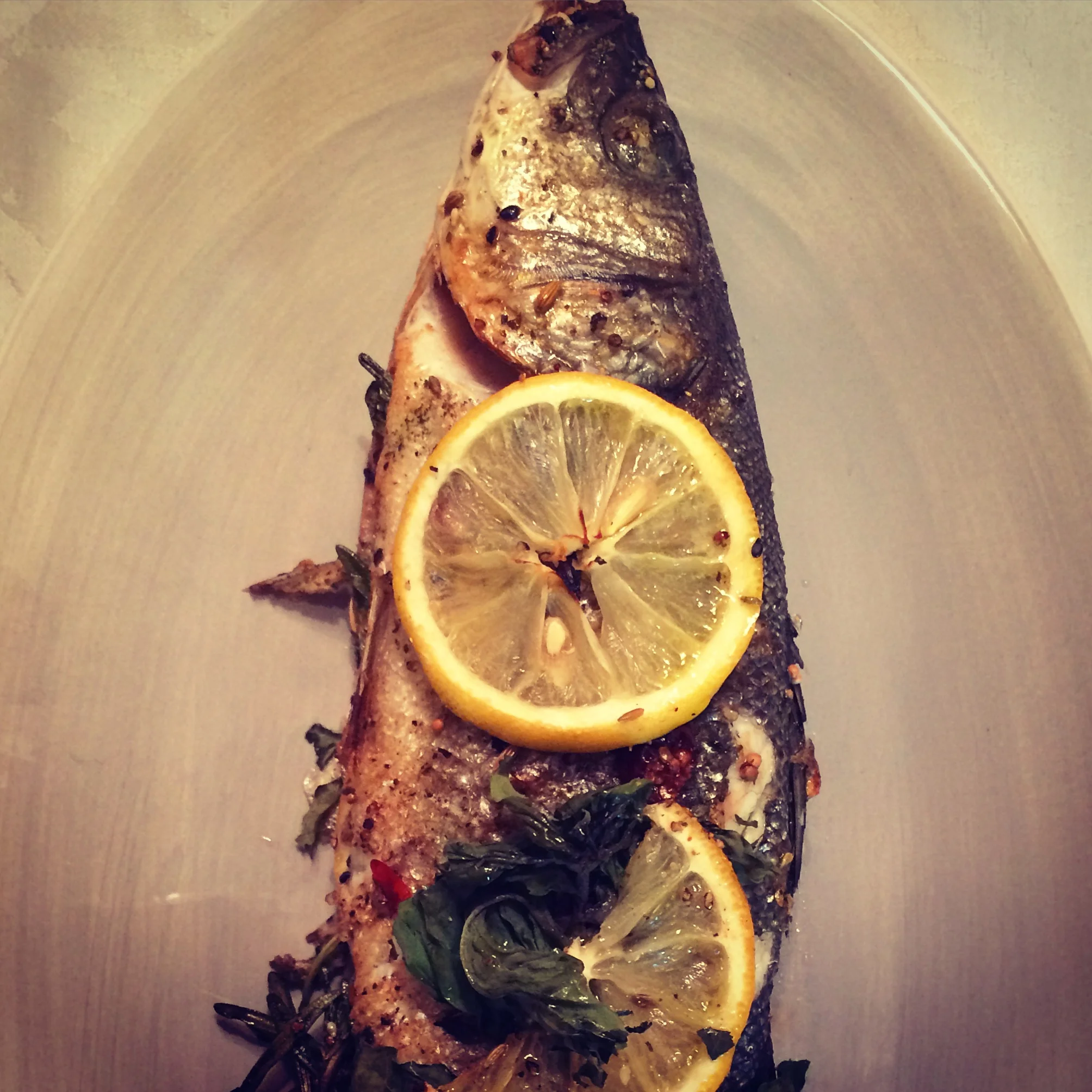
Seabream
Ask, learn, be aware, advocate
Ultimately it is the consumer who must make the choice, and that is the bottom line for business owners like Kristin and the many great fisheries and dedicated fishermen out there who source and fish ethically. While it is very encouraging to see an increasing number of independent seafood shops promoting responsible fishing across the US and Canada, perhaps our governments can expand their existing commitment to educating the public so more of us can be engaged with the issues.
I am not suggesting that we should all become seafood specialists just because we love to eat fish and shellfish; but we can all begin by being more ocean-wise. Learning the basics without getting overly technical goes a long way. We'll stay healthier at the same time, and conserve the fish population. If we do not act, we will all suffer the health consequences of this damage caused to our ecological system.
As for me, I know I have a lot more learning to do if I want to continue to consume fresh quality seafood. One thing for certain, I know where I will be shopping for my seafood and what I won’t be ordering when dining in a sushi restaurant, both at home and abroad. It's all about learning and sharing the knowledge with others.
If you want to read more about reliable references about seafood, visit seafoodwatch.org, oceanwise.ca, seachoice.org, smallscales.ca
I wish to thank Kristin Donovan, the owner of Hooked (the knowledgeable fish store) for her insights and assistance with my research on this topic. Photos on my blog post are taken at her two shop locations in Toronto, Canada.